Back to Blogs
Previous article Next article

cloudscaff

Understanding the Different Types of Scaffolds: Pros, Cons, and Safety Tips

There are several types of scaffolds that are commonly used in the construction industry. Each type of scaffold has its own set of advantages and disadvantages, and it is important to consider these factors when deciding which type of scaffold is best for your project.

Share

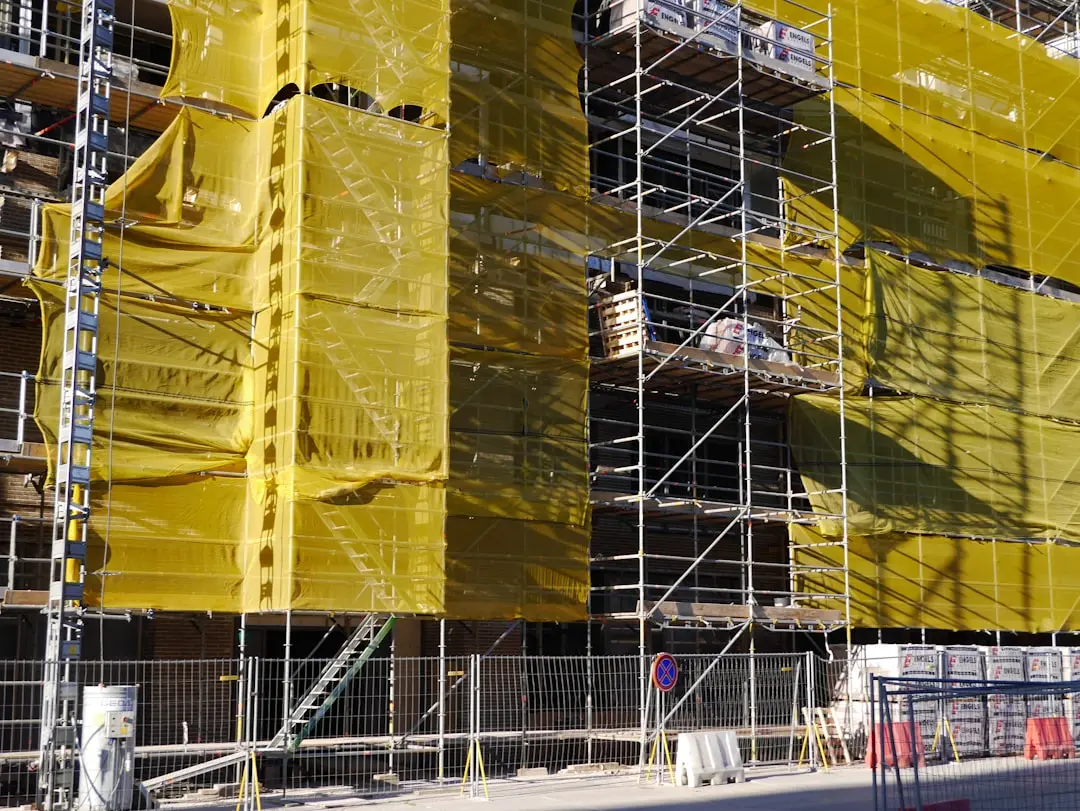
yellow concrete building during daytime
Photo by Fons Heijnsbroek on Unsplash

Article content

Introduction

There are several types of scaffolds that are commonly used in the construction industry. Each type of scaffold has its own set of advantages and disadvantages, and it is important to consider these factors when deciding which type of scaffold is best for your project.

One common type of scaffold is a supported scaffold, which is a scaffold that is supported by poles, legs, or frames. Supported scaffolds are widely used because they are easy to assemble and can be easily adjusted to different heights. They are also relatively inexpensive to rent or purchase. However, they do require a solid foundation, and they may not be suitable for use in areas with unstable soil or uneven ground.

Another type of scaffold is a suspended scaffold, which is a scaffold that is suspended from a building or other structure. Suspended scaffolds are useful for reaching high areas that cannot be accessed by a supported scaffold. However, they require a strong anchor point, and they may not be suitable for use in areas with strong winds or other weather conditions that could affect the stability of the scaffold.

A third type of scaffold is a mobile scaffold, which is a scaffold that is mounted on wheels or casters and can be easily moved from one location to another. Mobile scaffolds are convenient because they can be used in a variety of locations and do not require a permanent foundation. However, they may not be as stable as other types of scaffolds and may not be suitable for use in high-wind areas or on uneven ground.

A fourth type of scaffold is a tower scaffold, which is a scaffold that is self-supporting and can be easily assembled and disassembled. Tower scaffolds are useful because they are portable and can be easily moved to different locations. However, they may not be as stable as other types of scaffolds and may not be suitable for use in high-wind areas or on uneven ground.

Conclusion

There are several different types of scaffolds that can be used in the construction industry, each with its own set of advantages and disadvantages. It is important to consider the specific needs of your project and the environment in which the scaffold will be used when deciding which type of scaffold is best for you. Tools like CloudScaff Scaffold Management Software can also help you manage and track the use of your scaffolds, ensuring that they are used safely and efficiently.

Topics

Share

Next Steps

Keep the momentum moving after this article.

Explore more guidance, see the platform in action, or speak with CloudScaff about improving scaffold operations.

Explore more blogs

Keep reading practical articles about scaffold safety, operations, and growth.

Learn more

View product features

See how CloudScaff helps teams manage inventory, workflow, and site visibility.

Learn more

Book a demo

Walk through the platform with the team and see how it fits your process.

Open link

Contact CloudScaff

Ask questions about implementation, pricing, or your scaffolding workflow.

Learn more

Keep Reading

black concrete building

cloudscaff

4 min read

10 Majestic Facts and Stats About Scaffolding: You Won't Believe What These Structures Can Do!

Scaffolding is an essential tool in the construction industry, enabling workers to safely access and work on tall structures. But did you know that scaffolding has a long and fascinating history, and has been used for a wide range of purposes beyond its traditional use in construction?

white and brown train on railway

cloudscaff

5 min read

Master the Art of Scaffold Erection: A Comprehensive Guide from Start to Finish

As anyone in the construction industry knows, scaffolding is a vital tool that enables workers to safely access and work on tall structures. Erecting a scaffold may seem like a simple process, but it requires careful planning, attention to detail, and a thorough understanding of safety guidelines.

red hard hat on pavement\

cloudscaff

2 min read

Scaffold Safety Gets a Tech Upgrade: How Innovations Are Improving Worker Protection

As anyone who has worked in the scaffolding industry knows, safety is of the utmost importance. Falls from scaffolds can result in serious injury or even death, making it crucial to have systems in place to prevent accidents from occurring. That's where scaffold safety technology comes in. From fall prevention systems to intelligent scaffolding systems, there are a number of innovative technologies that are helping to improve worker protection on construction sites. In this blog post, we'll take a closer look at some of these technologies and how they are making a difference in the scaffolding industry.

Previous and next articles

Book a 20-min walkthrough