Back to Blogs
Previous article Next article

cloudscaff

Scaffold Safety Gets a Tech Upgrade: How Innovations Are Improving Worker Protection

As anyone who has worked in the scaffolding industry knows, safety is of the utmost importance. Falls from scaffolds can result in serious injury or even death, making it crucial to have systems in place to prevent accidents from occurring. That's where scaffold safety technology comes in. From fall prevention systems to intelligent scaffolding systems, there are a number of innovative technologies that are helping to improve worker protection on construction sites. In this blog post, we'll take a closer look at some of these technologies and how they are making a difference in the scaffolding industry.

Share

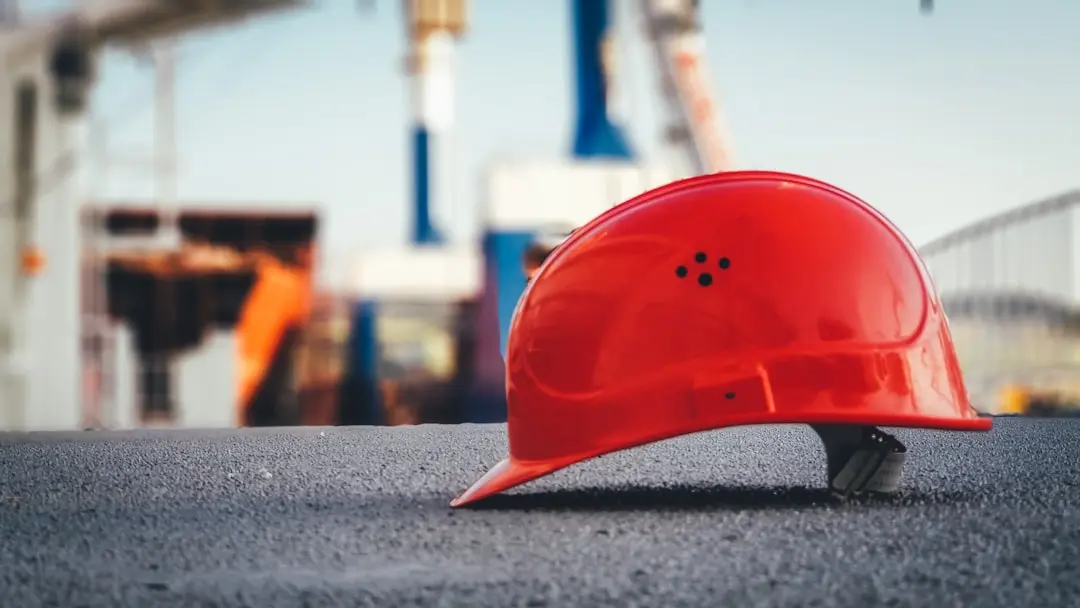
red hard hat on pavement\
Photo by Ümit Yıldırım on Unsplash

Article content

Fall Prevention Systems

One of the most significant dangers when working on scaffolds is the risk of falling. To address this risk, many companies are turning to fall prevention systems that can help to keep workers safe.
There are a few different types of fall prevention systems on the market, each with its own unique features and benefits. Some systems use sensors to detect when a worker is at risk of falling and automatically deploy a barrier or netting to prevent the fall from occurring. Others use personal fall arrest systems, such as harnesses and lanyards, to arrest a fall if it does happen.
No matter which type of fall prevention system you choose, the goal is the same: to reduce the risk of falls and keep workers safe. These systems can be especially helpful in situations where there is a high risk of falling, such as when working at heights or on uneven surfaces.

Safety Netting

In addition to fall prevention systems, safety netting is another technology that is being used to improve scaffold safety. Safety netting is essentially a large net that is suspended beneath a scaffold to catch workers if they fall.
Safety netting can be an effective way to prevent falls and injuries, particularly on large construction projects where there is a high volume of workers on the scaffold at any given time. Netting is also relatively easy to install and maintain, making it a practical and cost-effective solution for many companies.

Intelligent Scaffolding Systems

Finally, intelligent scaffolding systems are another type of scaffold safety technology that is gaining popularity. These systems use sensors and other technologies to monitor the scaffold and alert workers to potential hazards.
For example, an intelligent scaffolding system might be able to detect when a worker is at risk of falling and sound an alarm to alert them to the danger. It might also be able to monitor the structural integrity of the scaffold, alerting workers to any potential issues that need to be addressed.
Overall, intelligent scaffolding systems offer a number of benefits, including improved worker safety, enhanced productivity, and reduced costs. They are likely to become an increasingly important part of scaffold safety technology in the coming years.

Conclusion

As you can see, there are a number of technologies that are being used to improve scaffold safety in the construction industry. From fall prevention systems to safety netting to intelligent scaffolding systems, these innovations are helping to keep workers safe and reduce the risk of accidents and injuries.

Topics

Share

Next Steps

Keep the momentum moving after this article.

Explore more guidance, see the platform in action, or speak with CloudScaff about improving scaffold operations.

Explore more blogs

Keep reading practical articles about scaffold safety, operations, and growth.

Learn more

View product features

See how CloudScaff helps teams manage inventory, workflow, and site visibility.

Learn more

Book a demo

Walk through the platform with the team and see how it fits your process.

Open link

Contact CloudScaff

Ask questions about implementation, pricing, or your scaffolding workflow.

Learn more

Keep Reading

white and gray optical illusion

cloudscaff

4 min read

The Future of Scaffolding: The Benefits of Advanced Materials

If you're in the scaffolding industry, you know that weight and durability are major concerns when it comes to choosing the right materials for your projects. Traditional materials like steel and wood are reliable, but they can be heavy and prone to wear and tear. That's why many companies are turning to advanced materials like carbon fiber, aluminum, and fiberglass as a way to improve the performance of their scaffolding systems. So, what exactly makes these materials so special? And how can they benefit your business? Let's dive in and explore the benefits of advanced scaffold materials.

brown wooden stand with black background

cloudscaff

6 min read

Scaffold Collapse: A Legal Guide for Scaffolding Companies

Accidents happen, and unfortunately, sometimes those accidents involve scaffolding collapses. If you own a scaffolding company, it's important to be prepared for the legal process that may follow such an incident. In this blog post, we'll guide you through what to expect and how to navigate the legal system in the event of a scaffold collapse that injures someone.

person holding black and white electronic device

cloudscaff

2 min read

What Buyers Look At When Purchasing a Scaffolding Business

If you're considering buying a scaffolding company, you may be wondering what factors potential buyers look at before making a decision. There are a number of key considerations that buyers take into account, and understanding these can help you make a more informed decision about whether buying a scaffolding company is the right move for you. In this blog post, we'll delve into the things that buyers look at when buying a scaffolding company, and how you can use this information to your advantage.

Previous and next articles

Book a 20-min walkthrough