Article content
Nottingham City Council has selected Taziker for a £280,000 scaffolding package at the heat station that helps supply homes with heat and hot water. The most revealing number in the tender is 15%: that’s how much of the bid score the council gave to emergency response and keeping the plant’s work going.
The November award notice lists £280,000 excluding VAT, with signing estimated for 23 November and work expected to start on 1 January 2027. As of 19 November, the notice still lists the contract as pending. The job covers a dedicated service at London Road Heat Station, from routine repairs and inspections to outages and emergency response.
Where the scaffold fits in the heat network
At the Eastcroft incinerator, burning waste produces steam. The steam goes to the London Road Heat Station, where it helps heat water that travels through insulated pipes to customers. The council’s description of the network and Enviroenergy’s domestic service page trace that journey from the plant to people’s homes.
That makes this a different kind of scaffolding brief from one for a façade renovation. A maintenance team might need access to equipment for a few hours during an outage, rather than a fixed platform for weeks at a time. When the time available for the repair is short, the crew waiting on the platform can lose as much from a late handover as from a shortage of materials.
Imagine a plant team has one shift to inspect pipework above a walkway. The platform has to be ready when the team can get to the equipment, and any later change to the plant’s schedule changes when the access crew is needed. That’s a hypothetical example, not a description of work commissioned in Nottingham. It shows why a client buying site-based access wants to know who can respond and how they’ll fit into the plant’s permit process.
The council chose the site-based package
The July tender separated two ways to buy scaffold access. One package was for a dedicated service at London Road. The other was a separate framework to call in scaffolding for planned work, unexpected jobs and emergencies. The November notice names Taziker on the first package and marks the second cancelled. It does not say why. Emergency response is still part of the site-based package.
Price accounted for 40% of the original score. Delivery methodology accounted for 20%, emergency response and operational resilience 15%, and health and safety arrangements, including how the contractor would work with plant permits, another 10%. Those three quality measures alone added up to more than price. The published criteria tell us what Nottingham asked bidders to demonstrate. They do not disclose Taziker’s scores, the size of its crew or how many hours anyone will spend on site.
Taziker has described a similar mix elsewhere. In 2024 it announced scaffolding work at two Heidelberg Materials cement plants, covering everyday maintenance, emergency call-outs and scheduled outages. Cement and district heating are different industries, but both examples show why plant operators buy access for the jobs they can schedule and for the ones they can’t.
For firms used to pricing a scaffold from a drawing and a hire period, that’s the business story here. Nottingham isn’t procuring access to one known structure on one known day. It wants it to be available over several years, when the maintenance team has a chance to use it. The equipment matters, but so does being able to put a crew and a usable platform in the right place before that window closes.
FAQs
Has Taziker signed the contract?
The November notice names Taziker but lists the contract as pending, with 23 November 2026 as the estimated signing date. The £280,000 is the notice value excluding VAT; the notice does not state an annual rate or a guaranteed minimum spend.
Does cancelling the call-off framework remove emergency work?
No. The separate framework was cancelled, but the award notice still includes emergency response in the scope of the site-based service at London Road.
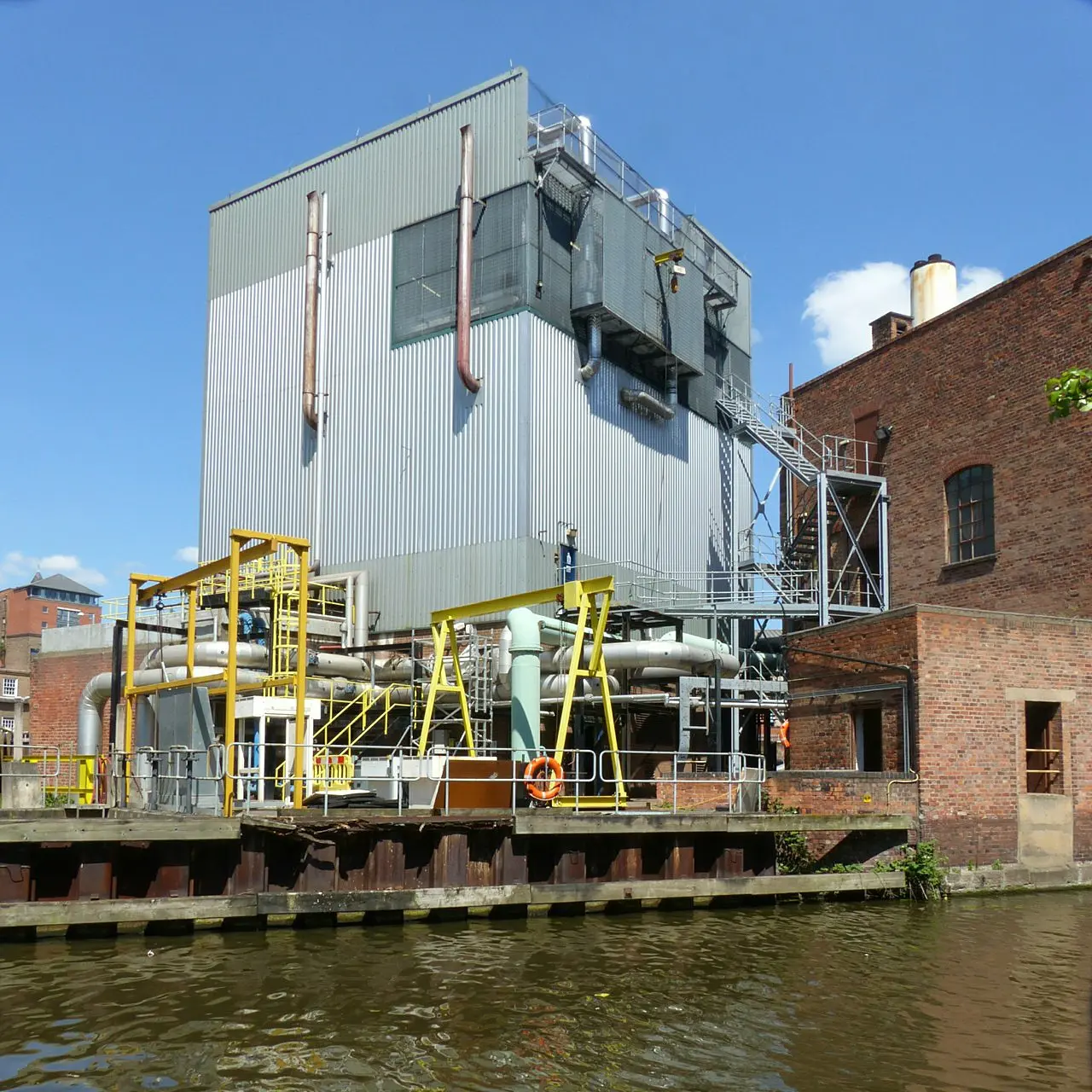
Photo: Enviroenergy power station by Alan Murray-Rust via Geograph, CC BY-SA 2.0. Unaltered archive photograph, 26 May 2017; it does not show the 2027 scaffolding package.