Article content
Introduction:
The Importance of Data-Driven Decision Making
Data-driven decision making is the process of using data to inform strategic decisions. By collecting and analyzing data on various aspects of the business, companies can gain insights that can help them make better decisions and achieve better results.
In the scaffolding industry, data can be used to inform a wide range of decisions, including material selection, project scheduling, and resource allocation. By leveraging data-driven insights, scaffolding companies can optimize their operations and achieve better outcomes.
The Role of Data in the Scaffolding Industry
So, what types of data are important in the scaffolding industry, and how can they be used to inform strategic decisions? Here are a few examples:
Material selection: Choosing the right materials is crucial for ensuring the safety and integrity of scaffolding structures. By analyzing data on the performance of different materials under different conditions, companies can select the best materials for their projects.
Project scheduling: Accurate project scheduling is essential for ensuring that scaffolding projects are completed on time and within budget. By analyzing data on past projects, companies can identify trends and patterns that can help them better predict project timelines and resource needs.
Resource allocation: Efficient resource allocation is critical for optimizing the performance of scaffolding projects. By analyzing data on resource utilization, companies can identify opportunities to streamline their operations and reduce waste.
Expert Tips for Data-Driven Decision Making in the Scaffolding Industry
So, how can scaffolding companies leverage the power of data-driven decision making to transform their businesses? Here are a few expert tips:
- Collect and analyze data: The first step to data-driven decision making is collecting and analyzing data. This involves identifying the key data points that are relevant to the business, and gathering and analyzing that data on an ongoing basis.
- Use data to inform strategic decisions: Once data has been collected and analyzed, it can be used to inform a wide range of strategic decisions. For example, data on material performance can be used to inform material selection, while data on past project timelines can be used to inform project scheduling.
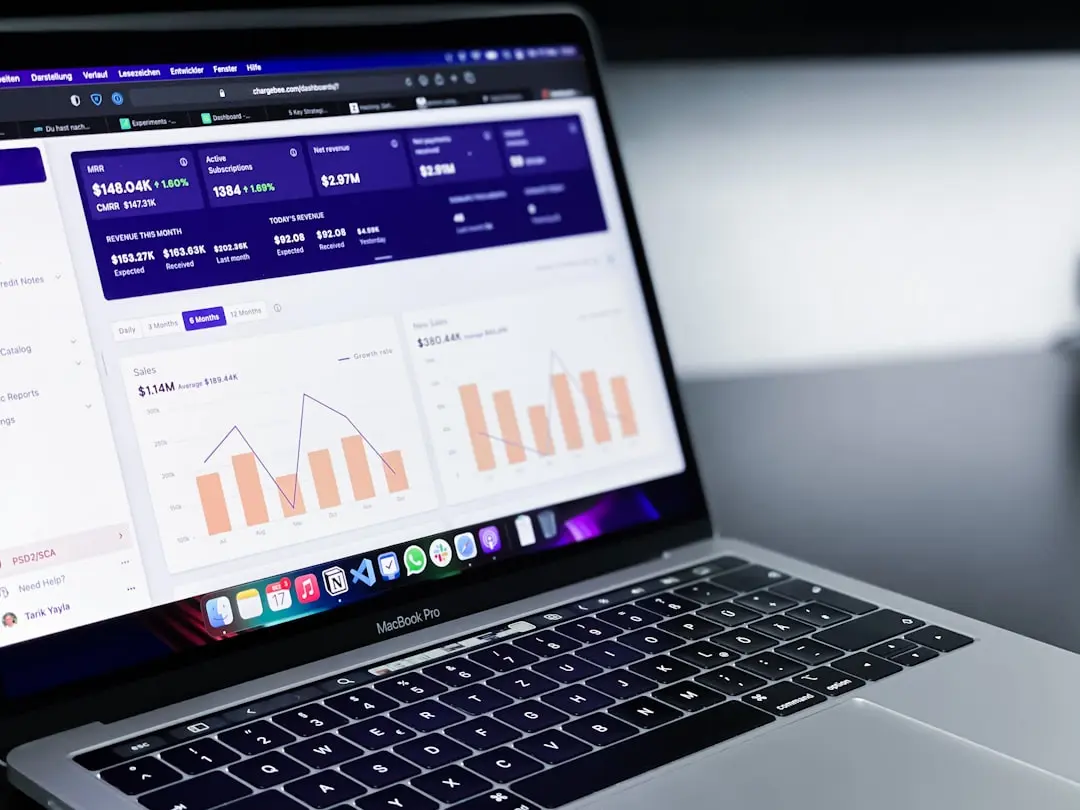
- Invest in data analytics tools: To make the most of data-driven decision making, companies may need to invest in data analytics tools that can help them collect, analyze, and visualize data. These tools can range from simple spreadsheet software to more sophisticated data analytics platforms.
- Empower employees to use data: Data-driven decision making is most effective when it is integrated into the day-to-day operations of the business. To do this, companies need to empower their employees to use data to inform their decision making. This can involve providing training and resources, as well as fostering a culture of data-driven decision making throughout the organization.
Conclusion:
The Power of Data-Driven Decision Making in the Scaffolding Industry
In conclusion, data-driven decision making is a powerful tool that can help scaffolding companies optimize their operations and achieve better results. By collecting and analyzing data on key aspects of their business, companies can gain insights that can inform strategic decisions about everything from material selection to project scheduling. By investing in data analytics tools and empowering employees to use data, companies can position themselves for success in an increasingly competitive industry.