Back to Blogs
Previous article Next article

cloudscaff

5 Critical Reasons why Real-time data is needed in the construction of scaffolding

Real-time data is critical for the construction of scaffolding, as it helps ensure the safety and efficiency of the project. Here are some specific ways in which real-time data can be beneficial for scaffold construction:

Share

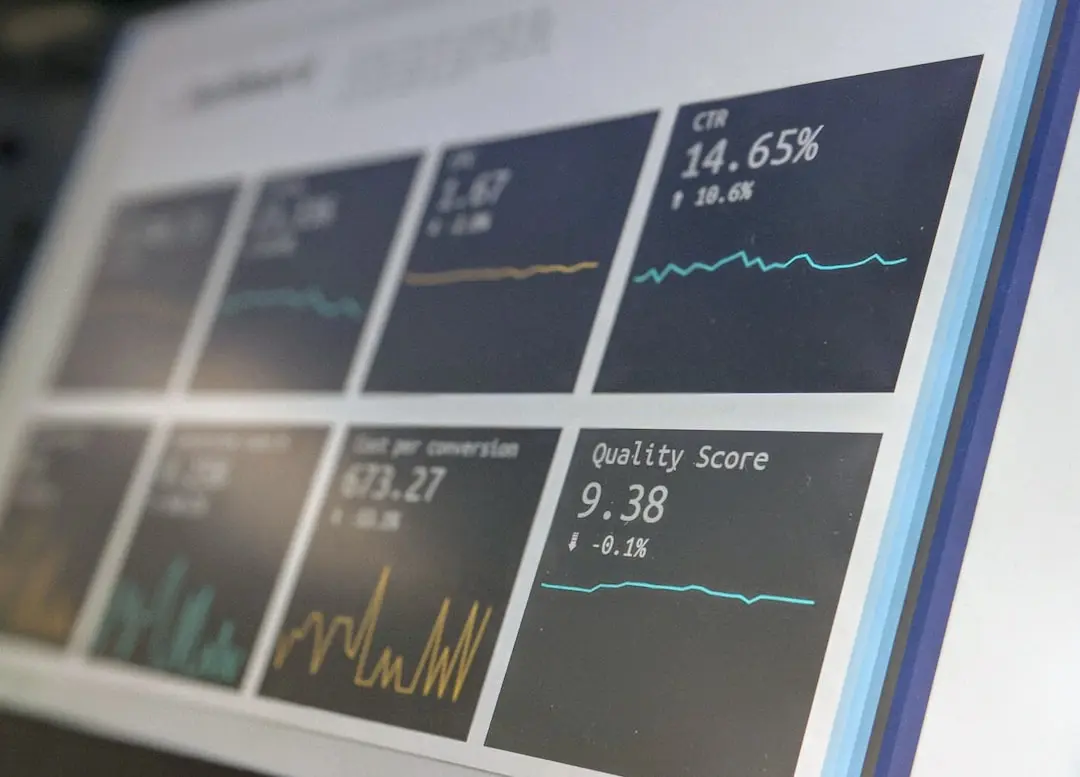
turned on monitoring screen
Photo by Stephen Dawson on Unsplash

Article content

Introduction

Real-time data is critical for the construction of scaffolding, as it helps ensure the safety and efficiency of the project. Here are some specific ways in which real-time data can be beneficial for scaffold construction:

  1. Safety: One of the primary benefits of real-time data in scaffold construction is its ability to improve safety on the job site. For example, sensors and other technologies can be used to monitor the condition of the scaffolding and alert workers to any potential hazards. This can help prevent accidents and injuries, as well as reduce the risk of costly delays.

  2. Productivity: Real-time data can also help improve productivity on the job site. By providing workers with access to real-time information about the project, they can make more informed decisions and work more efficiently. For example, workers can use real-time data to track their progress and identify any bottlenecks or areas for improvement.

  3. Quality: Real-time data can also help ensure the quality of the scaffold construction. By providing workers with access to accurate and up-to-date information, they can identify and correct any issues as they arise, rather than having to wait for inspections or other quality checks. This can help prevent costly mistakes and improve the overall quality of the project.

  4. Collaboration: Real-time data can also facilitate better collaboration among workers and stakeholders on the job site. By providing a central location for data and information, workers can more easily share updates and communicate with one another. This can help improve coordination and reduce the risk of misunderstandings or miscommunications.

  5. Predictive maintenance: Real-time data can also be used to predict when scaffolding components may need maintenance or replacement. By monitoring the condition of the scaffolding in real-time, workers can identify potential issues and take action before they become major problems. This can help prevent downtime and extend the lifespan of the scaffolding.

There are many other benefits to using real-time data in scaffold construction, including the ability to better track and manage resources, optimize scheduling and logistics, and improve communication with customers. As technology continues to advance, the role of real-time data in scaffold construction is likely to become even more important.

However, it's important to note that the use of real-time data in scaffold construction also requires careful planning and management. It is important to have clear protocols in place for how data is collected, stored, and used, and to ensure that all workers are trained on how to use the technology effectively.

Conclusion

Overall, the use of real-time data can be a powerful tool for improving the safety, productivity, and quality of scaffold construction projects. By leveraging the insights and capabilities of this technology, scaffolding companies can better serve their customers and achieve better outcomes on their projects.


Topics

Share

Next Steps

Keep the momentum moving after this article.

Explore more guidance, see the platform in action, or speak with CloudScaff about improving scaffold operations.

Explore more blogs

Keep reading practical articles about scaffold safety, operations, and growth.

Learn more

View product features

See how CloudScaff helps teams manage inventory, workflow, and site visibility.

Learn more

Book a demo

Walk through the platform with the team and see how it fits your process.

Open link

Contact CloudScaff

Ask questions about implementation, pricing, or your scaffolding workflow.

Learn more

Keep Reading

black tower under gray sky

cloudscaff

4 min read

The Benefits and Challenges of Using Scaffolding in Different Industries

Scaffolding is a vital tool in a wide range of industries, offering a safe and efficient way for workers to access hard-to-reach areas and complete tasks at height. From construction and maintenance to oil and gas and power generation, scaffolding has become an essential part of modern work processes. In this comprehensive guide, we'll explore the benefits and challenges of using scaffolding in different industries, helping you to make informed decisions about how to use this valuable resource to its full potential.

worm's eye-view photography of ceiling

cloudscaff

4 min read

Avoid Disaster: Expert Tips for Ensuring Accurate Data Collection in Scaffolding

Scaffolding is a vital component of any construction project, providing the support and access needed for workers to complete their tasks safely and efficiently. However, the safety and integrity of scaffolding structures depend heavily on accurate data collection. In this blog post, we'll explore the importance of accurate data collection in scaffolding, and how it can ensure the safety and integrity of these structures. We'll also delve into the consequences of failing to collect accurate data, and offer expert tips on how to avoid disaster.

computer coding screengrab

cloudscaff

4 min read

Transform Your Scaffolding with Data Analytics: Cut Costs and Boost Efficiency

Scaffolding is a crucial part of any construction project, providing the support and access needed for workers to complete their tasks safely and efficiently. However, scaffolding projects can also be complex, with multiple variables to consider and manage. This is where data analytics comes in. By leveraging data-driven insights, scaffolding companies can optimize their projects and achieve better results.

Previous and next articles

Book a 20-min walkthrough