Article content
The problem with carbon emission in the scaffold industry?
What is meant by this?- Quotation to approve the scaffold
- Invoice to pay for the scaffold
- Stock / Inventory request for scaffolding components to be delivered to
- site Instruction to erect the scaffold
- Handover certificate to certify that the scaffold is safe for use
- Daily / Weekly Inspection to ensure the scaffold remains safe for use
- Stock / Inventory request to return scaffolding components to the office
How to resolve carbon emissions in the scaffolding industry?
- How many trees do we have to plant to reverse global warming?
- What happens when trees are cut down?
- Why don’t we just plant more trees then?
Well, to be honest, there are many. However, in this article, we will talk about one specific issue that can be resolved today. Paper. The scaffolding industry produces an obscene about of paper each year, thus, a large portion of its carbon emissions is because it has a very paper-intensive work process.
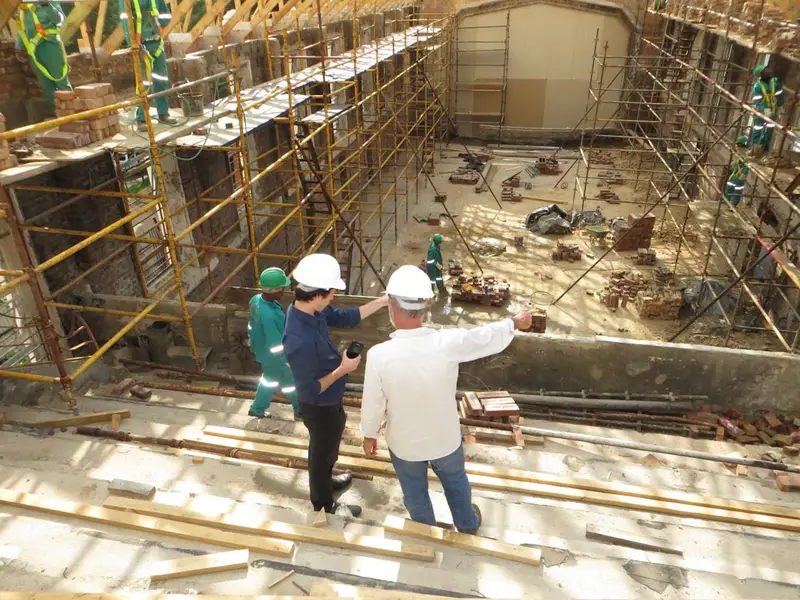
To erect a scaffold, declared it safe for use, and dismantle it after use requires a variety of documents. Each document is a single sheet of paper. Now, this process might differ from company to company, nevertheless, here is a list of what sheets of paper could be expected:
- On top of this, the majority of these documents need multiple copies as well. So doubling or even tripling the number of sheets for a single scaffold is highly likely. 14 to 21 sheets of paper for one scaffold seems ridiculous.
The answer is quite simple really. Don't use paper, create all the documents digitally and have a system that can manage it all. This firstly assists in reducing a scaffolding companies carbon emissions but also is far less costly.
Companies don't have to spend money on purchasing these documents along with the stationary and time that it takes to fill them in, not to mention the cost of processing all those sheets of paper into data that the company needs to make informed decisions.
The other solution is to plant more trees. As trees grow, they help us by removing carbon dioxide from the air. Trees store carbon dioxide in their leaves, roots, trunk, and soil and release oxygen in the air in return. The oxygen we breathe is produced by trees and plants around us.
A Swiss study in 2019 suggested that planting one trillion trees worldwide would dramatically reduce the amount of carbon dioxide in the atmosphere. Carbon dioxide radiates heat. Because carbon emission increases, it’s causing a rise in the Earth’s average temperature. Remember what trees do when they grow? They remove carbon dioxide from the air. As trees grow, they also lower the Earth’s temperature. And when 1 trillion trees grow at the same time, they have the power to reverse global warming.
“Did you know that planting six trees a month, can compensate for all the carbon dioxide emissions we produce? A single person produces an average of six tons of CO2 per year.”
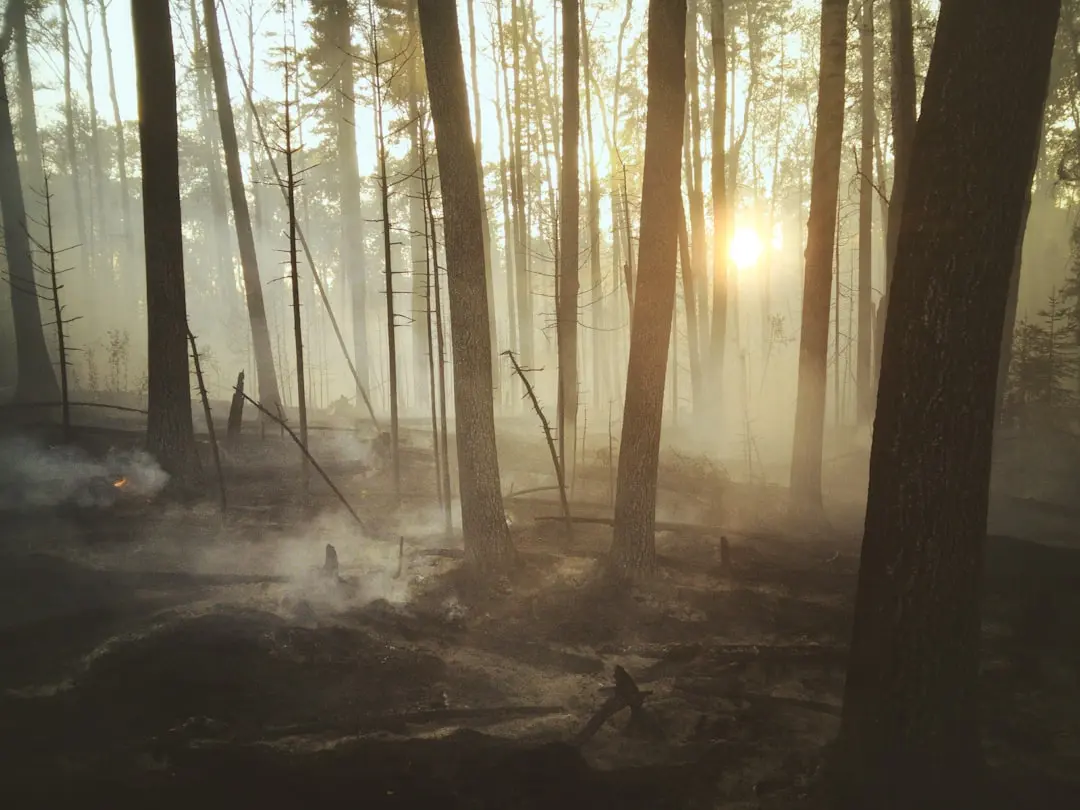
Trees will help us slow down climate change, but they won’t be able to reverse the damage to nature on their own. The problem gets bigger by cutting down trees. Deforestation is one of the biggest sources of carbon dioxide emissions. When trees are cut down much of the carbon stored within the trunk gets released. It escapes back into the air, especially if the wooden trunks are burned. The soil carbon beneath the tree usually remains even after the tree dies.
Here’s where cloudscaff comes in. The goal is to get the scaffolding industry to reach 40% less embodied carbon emissions by 2030. The aim is to achieve 100% carbon neutrality by 2050. CloudScaff removes the current paper-based system, transforming the entire industry into a digital automated environment.
CloudScaff invests 5% of its profits into planting trees on its clients’ behalf. When you work with CloudScaff you automatically help to improve the climate for our future and the future of our children. And in return, they help the scaffolding industry save time, generate more money, and strengthen the environment at the same time.
“We have a responsibility to preserve and enhance our planet together with our customers and communities. It is a core part of our business embedding sustainability and ethical practices into all that we do. “ cloudscaff